
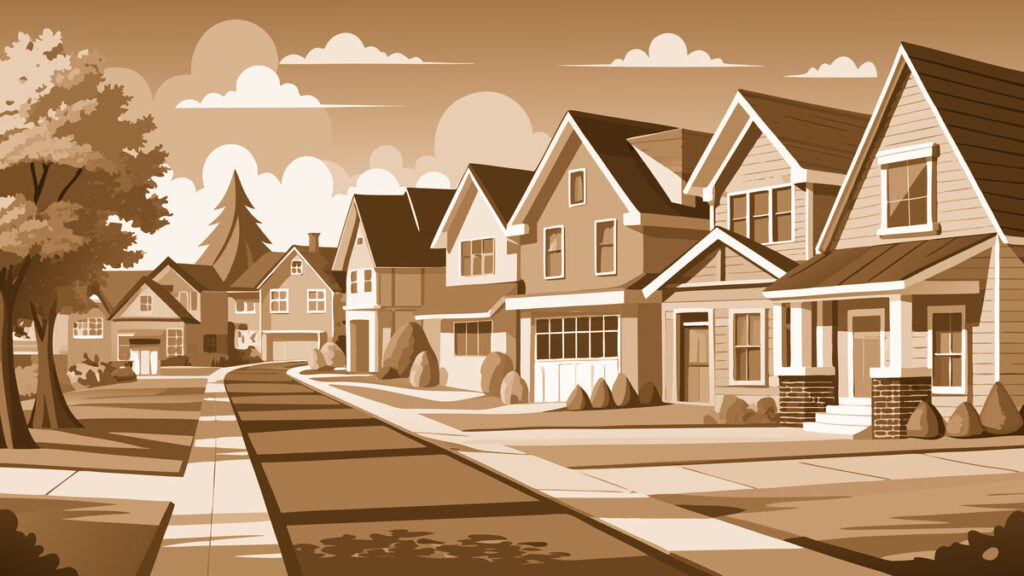
Grace Church Street isn't just a road running through Rye, NY—it's the backbone of a neighborhood rich with charm, layered history, and enduring heritage. For generations, it has served as a welcoming avenue into Rye’s storied past, linking today’s families with the generations that built this vibrant, elegant community. To stroll down Grace Church Street is to take a step back in time, where centuries-old houses, stately trees, and treasured institutions stand as silent storytellers of Rye’s evolution.
The Origins: Colonial Roots and a Namesake
The story of Grace Church Street begins in the mid-17th century, when English settlers arrived on the shores of what is now Rye. Positioned close to the Long Island Sound and lush with woodlands, the area’s appeal was clear. As the community grew, the need for both spiritual and civic gathering spaces became more pronounced, culminating in the establishment of Grace Episcopal Church in 1831.
The neighborhood—and subsequently, Grace Church Street—derives its name from this venerable institution. Grace Church quickly became a focal point for the growing village, its steeple a landmark for travelers and parishioners alike. It was more than a place of worship: it was where important meetings were held, community aid was organized, and town news was shared, anchoring the street and surrounding area with its presence.
Key Milestones in Neighborhood Development
Grace Church Street’s growth reflects the larger story of Rye itself. In the early 1800s, Rye was mostly farmland, with classic colonial homesteads dotting the lanes. As the 19th century progressed and travel links improved—especially with the arrival of the New Haven Railroad in the 1840s—Grace Church Street became a prime residential address for merchants, sea captains, and later, prosperous New York families seeking a tranquil retreat from the city.
Notable milestones that shaped the neighborhood include:
- The opening of Rye’s first schoolhouse (now Rye Free Reading Room) near the corner of Grace Church Street in the 1870s.
- The establishment of Rye Town Park, not far from Grace Church Street, in the early 1900s, providing a lush communal space for recreation.
- The designation of several homes as historic residences in the late 20th century, celebrating the distinct architecture that lines Grace Church Street.
Notable Landmarks and Architectural Gems
One hallmark of Grace Church Street is its remarkable collection of historic buildings. Walking down the street, you’ll find a striking mixture of colonial, Victorian, and early 20th-century homes, each preserving unique design elements that hint at the lifestyles and priorities of previous inhabitants.
Grace Episcopal Church
At the heart of the neighborhood sits Grace Episcopal Church itself. The church’s original Gothic Revival building, with its lacy stained glass and bell tower, remains a Rye landmark. Its adjacent cemetery offers a glimpse into the town’s past, with gravestones dating back to the 18th and 19th centuries—some bearing the names of the area’s founding families.
Rye Free Reading Room
Though officially located on Boston Post Road at the edge of the neighborhood, the Rye Free Reading Room has deep roots with residents of Grace Church Street. Rye’s original schoolhouse was just steps away, and many early community events hosted at the reading room spotlight the centrality of Grace Church Street families.
Historic Residences
Some of Rye’s oldest and most beautiful homes can be found along Grace Church Street, characterized by:
- Classic white clapboard exteriors and columned porches.
- Handsome stone walls and mature, shading elms and maples.
- Home plaques commemorating centuries of occupancy and preservation.
Rye Town Park
A short stroll down the cross-streets of Grace Church Street brings you to the lawns and beachfront of Rye Town Park. This beloved space, created in 1909, has been a gathering spot for neighborhood picnics, concerts, and summer carnivals for over a century.
Evolution Over the Decades
Grace Church Street’s character has remained remarkably intact, even as Rye itself has modernized. While neighboring areas saw the arrival of condos and commercial development, local associations and preservation-minded homeowners along Grace Church Street advocated for the safeguarding of their neighborhood’s historical ambiance.
Over the decades, Grace Church Street has transitioned from a rural lane lined with sprawling fields and carriage houses to a coveted residential street marked by:
- Carefully preserved historic homes, often featured on local house tours.
- Lush, landscaped gardens and tree-lined sidewalks that invite leisurely strolls in every season.
- Close-knit community traditions, from block parties to holiday celebrations that spill onto the stately lawns and patios.
# The Sense of Community Today
What truly sets Grace Church Street apart is its spirit of neighborliness and quiet pride. Generations of families have called it home, with children attending Rye’s highly-rated public schools and older generations volunteering in town institutions like Rye Historical Society and Rye Nature Center. The street’s long-established fabric is visible in little ways—a wave between residents, a porch-side chat under shade trees, or gatherings after Grace Church’s Sunday service.
It’s not uncommon to meet neighbors who know the stories behind each house: who built the stone arch at the corner of Boston Post Road, which grand home once served as a stop on the Underground Railroad, or how the gracious gardens were inspired by English landscape designs brought over centuries ago.
Conclusion: The Past Enriching the Present
For those lucky enough to call it home—or to simply walk its leafy sidewalks—Grace Church Street remains one of Rye’s most treasured neighborhoods. Its name, borrowed from the church that helped nurture Rye’s early community, now represents something larger: a legacy of heritage, warmth, and continuity. It reminds us of the value in preserving the past even as we shape the future—a timeless lesson that gives Grace Church Street its enduring grace.